Dining Done Right
Know what is included, what costs extra, and how to plan your meals before you board
Imagine sitting down for dinner on your first night onboard, scanning the menu, and
realising you are not sure whether this restaurant is included in your fare or whether
it is adding to your onboard account with every order. That moment of uncertainty is
entirely avoidable. Cruise ship dining structures are consistent enough across
mainstream lines that a brief pre-departure review tells you almost everything you need
to know. This page covers how included versus specialty dining works in practice, how to
decide whether a dining package makes financial sense for your trip, and what the
reservation process looks like once you are onboard. The goal is arriving at your first
dinner with a clear plan rather than a question mark.
Say hello
Onboard Dining
Included Dining Explained
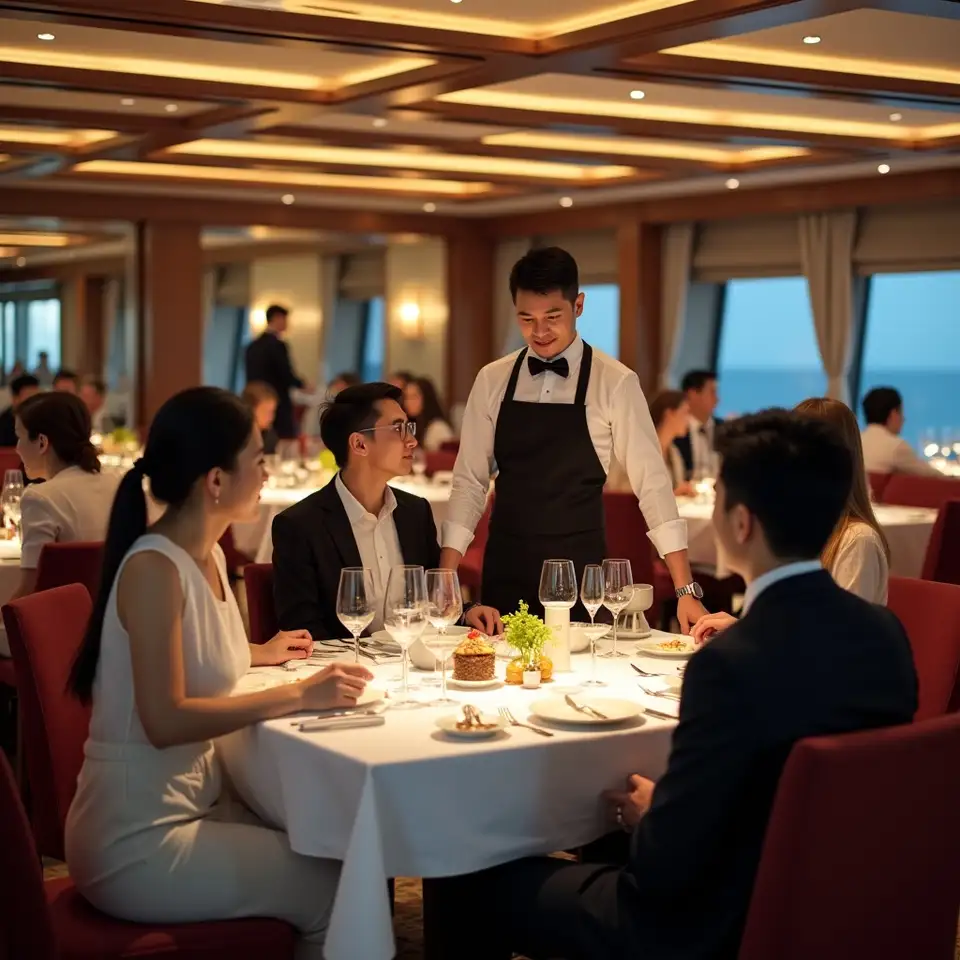
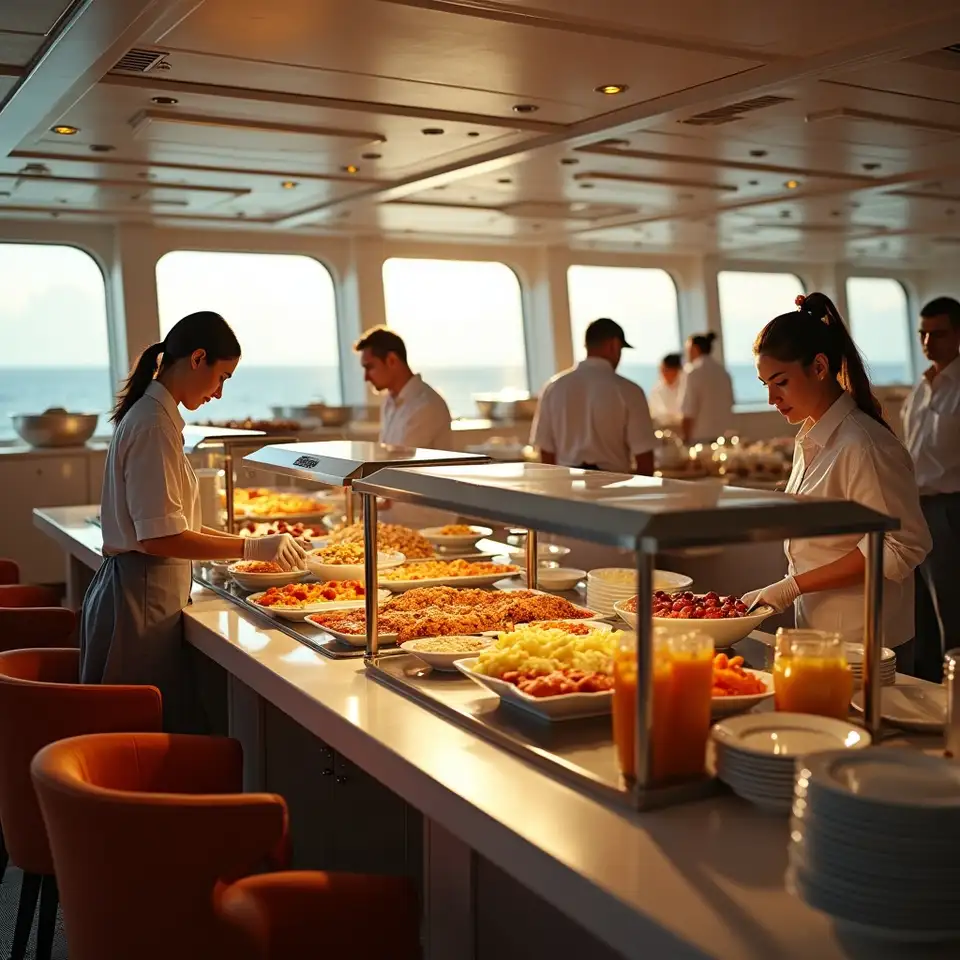
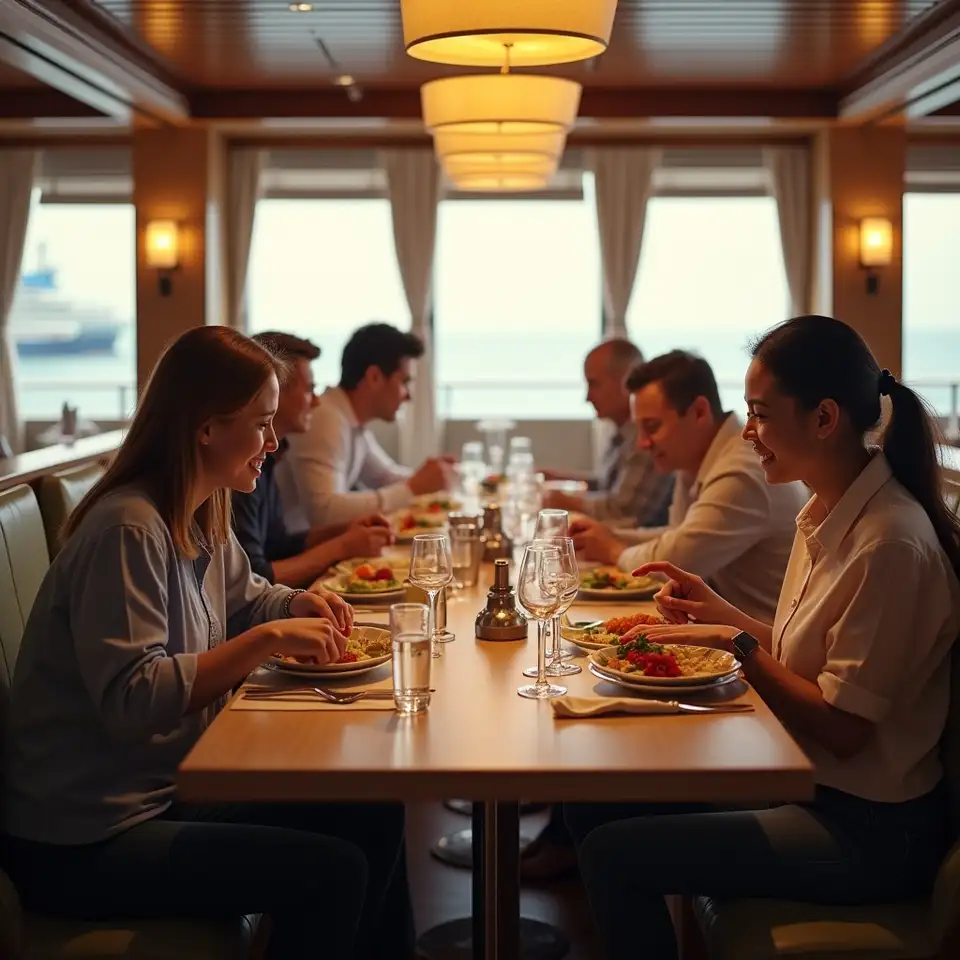
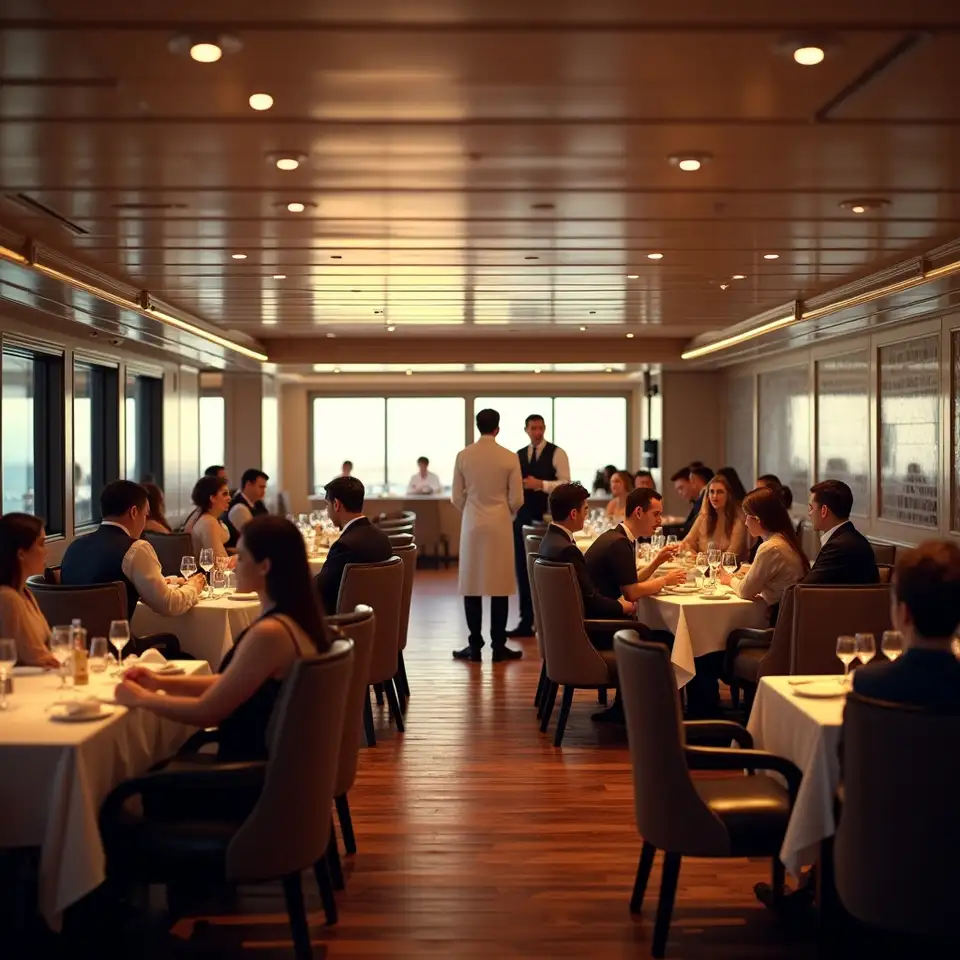
Every mainstream cruise fare includes access to the main dining room and the buffet venue. These two options cover breakfast, lunch, and dinner throughout the voyage without any additional charge to your onboard account.
The main dining room typically operates either a fixed-seating arrangement — where you dine at the same table and time each evening — or an open-seating format that lets you arrive within a window and be seated as space allows. Checking which format your ship uses before departure helps you decide whether to request a specific table size or dining time during online check-in.
Specialty Dining
What Specialty Means
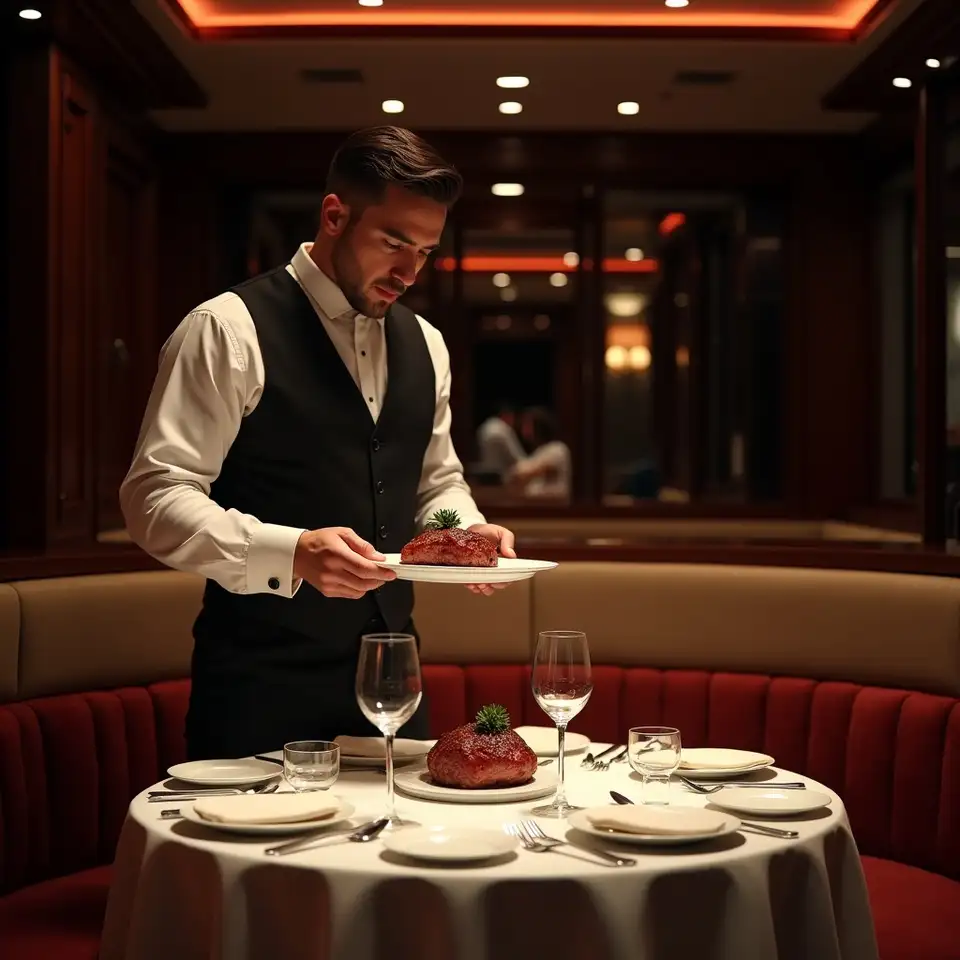
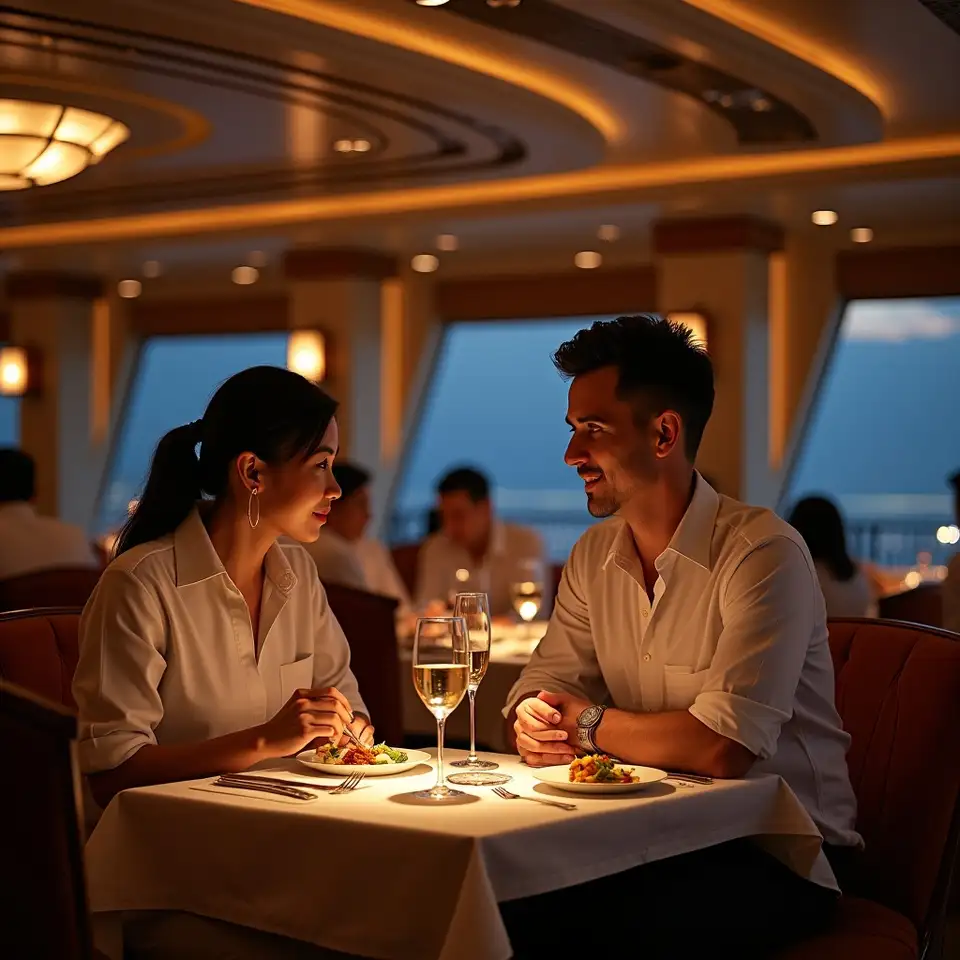
Specialty restaurants on cruise ships are distinct dining venues that carry an additional charge beyond the base fare. This charge is either a fixed cover per person or a per-dish pricing structure, depending on the venue and the cruise line. These restaurants typically offer a more curated menu — a dedicated steakhouse, a Japanese teppanyaki table, a French bistro — and operate at a smaller scale than the main dining room, which is part of what makes the experience feel different from the included venues.

Booking Specialty Tables
Most specialty restaurants on mainstream cruise ships open their reservation system to passengers either during online check-in before departure or on embarkation day. Popular venues — particularly those with a limited number of tables or a specific experience like a chef's table format — fill up quickly. If you have a particular specialty restaurant in mind, checking whether pre-departure reservations are available through your cruise line's app or website is worth doing at least two to three weeks before you sail to avoid finding your preferred option fully booked.
Dining Packages Assessed
Dining packages bundle access to a set number of specialty restaurant visits for a fixed pre-paid price, purchased before departure at a rate typically lower than booking each visit individually onboard. Whether a package represents a genuine saving depends on how many specialty meals you actually plan to have and which restaurants are included in the bundle. Building a rough meal plan — estimating how many evenings you want to use the main dining room versus a specialty venue — gives you a basis for comparing the package price against the equivalent à la carte cost before you commit.
Managing Dietary Needs
Cruise ships accommodate a wide range of dietary requirements including vegetarian, vegan, gluten-free, halal, and common allergen restrictions, but the process works best when requests are submitted in advance through the cruise line's pre-departure portal rather than raised for the first time at the dinner table. Most lines ask you to note dietary requirements during online check-in. For more specific requirements — particularly allergen-related needs that affect safety rather than preference — following up directly with the cruise line's guest services team before departure confirms the ship's capacity to accommodate your needs on the specific vessel and itinerary you have booked.
Buffet Strategy
The buffet gets a mixed reputation among cruisers, but most of the frustration it
generates is a product of timing rather than quality. At peak periods — the first
sitting after embarkation, the morning of the first sea day, the lunch hour when
passengers return from a popular port — the main buffet venue on any large ship becomes
genuinely crowded. The same venue at 7:00 AM, at 2:30 PM, or at 9:00 PM operates at a
completely different pace. Buffet venues on most ships serve breakfast continuously from
early morning through mid-morning, a lunch service running from around noon to
mid-afternoon, and a lighter late-night offering on sea days. Some ships also operate
dedicated breakfast areas within the buffet zone that open earlier than the main buffet
counters, which is worth knowing if you have an early tender time or a port arrival that
requires you to be ready before the main venue reaches full service. For port days, the
buffet serves a practical function that the main dining room does not: speed. If you
need to eat before disembarking for a morning excursion and have a specific departure
window, a buffet breakfast completed in fifteen minutes beats waiting for a full table
service. Identifying the least congested counter sections — often the carving station or
the egg station at the far end of the venue — shaves time off the process during busy
mornings. The buffet is also the most reliable option for late returns from a port day
when the main dining room has already closed or when you are not dressed for a
restaurant setting. Most ships keep a section of the buffet available until at least
9:00 PM, covering the practical gap between a long port afternoon and the ship's
specialty dining hours. Knowing this in advance means a late return from shore does not
translate into going hungry.
Drinks and Extras
Drinks packages, specialty coffees, and premium beverages all sit outside the standard fare on most cruise lines. Here is how the main categories break down so you can decide what to purchase before departure versus manage individually onboard.
Drinks Packages
Onboard Account
How Drinks Packages Work in Practice
Most PopularDrinks packages on mainstream cruise lines typically cover alcoholic beverages up to a set price point per drink, non-alcoholic beverages, specialty coffees, and bottled water, purchased as a per-day bundle for the entire voyage. The maths on whether a package saves money depends on your actual consumption habits. A traveller who has two cocktails, a coffee, and a few bottles of water per day will generally find a mid-tier package cost-neutral at best. Someone who drinks more frequently across a sea-heavy itinerary is more likely to see a meaningful saving. Reviewing the package's per-drink cap — the maximum individual drink price covered — tells you whether your preferred beverages fall within it before you buy.
Wine at Dinner and Corkage Policies
Worth CheckingMost cruise lines permit passengers to bring a limited quantity of wine onboard at embarkation — typically one or two bottles per cabin — for consumption in the cabin or at dinner with the payment of a corkage fee. The corkage fee, charged when you bring your own bottle to a dining venue, varies between lines and is usually disclosed in the pre-departure documentation. For travellers who prefer a specific wine with dinner and are willing to carry bottles through embarkation, this is a practical way to manage the cost of dining room wine without purchasing a full drinks package. Checking your specific line's current corkage and bring-your-own policy before departure confirms what is permitted on your sailing.
Reviewing Your Onboard Account Before Disembarkation
Practical TipCruise ships post a running total of onboard charges to your linked card account throughout the voyage, accessible through the ship's TV system, app, or guest services desk. Reviewing this balance midway through the voyage — rather than waiting until the final morning statement arrives under your cabin door — gives you time to query any charges that do not look correct before you disembark. Errors are not common but do occur, particularly with drinks package inclusions being charged individually or specialty dining covers being applied to the wrong cabin. A mid-voyage check takes a few minutes and prevents a disputed charge conversation at a busy guest services desk on the final morning.
Gratuities and Service Charges
ImportantMost mainstream cruise lines apply an automatic daily gratuity charge per person to cover the service staff across dining, cabin, and bar venues. This charge is added to your onboard account each day and appears on your final statement. Some cruise fares, particularly those marketed as all-inclusive, incorporate gratuities into the headline price. Checking whether gratuities are included in your fare or added daily to your account gives you an accurate picture of the true per-day cost of the voyage before you commit to a booking. If you have a drinks package that includes a service charge component, verifying whether this is in addition to or in lieu of the standard daily gratuity prevents a double-count in your pre-departure budget.
Room Service Options and Charges
UsefulMost cruise ships offer room service to cabins throughout the voyage, with a standard menu available during daytime and a reduced menu overnight. On many lines, a basic continental breakfast delivered to your cabin is included in the fare; hot food items and orders placed outside standard hours typically carry a delivery charge. Room service becomes particularly useful on sea days when you prefer a quieter start to the morning or on the final day of the voyage when you want breakfast without navigating a busy buffet while managing disembarkation bags. Knowing the delivery charge structure before you order prevents small surprises on your onboard account.
Dining Venues Worth Knowing
A look at the main dining formats you will encounter on most cruise ships