
Plan Smarter
Practical tools and comparisons to help you choose with confidence
Choosing between two similar itineraries often comes down to details that are not
obvious from the headline description — port timing, tender logistics, onboard dining
inclusions, and how the ship's layout affects daily life. Our destination and ship
guides are written to surface exactly those details so you can compare options against
your own priorities rather than relying on promotional descriptions alone. Whether you
are planning your first cruise or looking to try a new region or ship type, working
through the specifics before you commit makes the whole experience more predictable and
more enjoyable once you are onboard.
Take a look
Cruise Routes Accessible from Malaysia
Malaysia's geographic position makes it a practical starting point for a wide range of cruise itineraries across Southeast and Northeast Asia. Port Klang, located about an hour from Kuala Lumpur, serves as a home port for regional cruises that call at destinations including Penang, Langkawi, Phuket, and Singapore. For travellers based in the northern states, Penang itself hosts cruise calls from several lines running regional circuits, which can reduce the need for additional domestic travel before embarkation. Singapore, a short journey from southern Malaysia, functions as one of the region's most active cruise hubs. Many of the major international cruise lines that operate in Asia use Singapore as either a home port or a key transit port, which significantly expands the range of itineraries available to Malaysian travellers willing to position there for departure. Itineraries out of Singapore commonly cover Vietnam, Cambodia, Thailand, and Indonesia, with longer voyages extending to Japan, South Korea, and Taiwan. For travellers interested in longer voyages, repositioning cruises — where a ship moves from one region to another between seasons — occasionally offer extended itineraries at comparatively lower per-day costs. These routes might cover Southeast Asia, the Indian Ocean, and the Middle East within a single voyage, departing from or arriving at a regional port accessible from Malaysia. They require flexibility in travel dates but can offer a substantially different experience from standard loop itineraries. Regional river cruises along the Mekong, departing from Vietnam or Cambodia, are also worth considering for travellers who want an alternative to ocean cruising. While operationally different from large ocean ships, river cruises share enough of the same planning considerations — documents, shore logistics, onboard dining — that the groundwork covered here applies directly. Understanding your baseline preferences across cabin type, port frequency, and onboard activity level helps you evaluate any cruise format, not just the most common ocean routes.

Ready to Plan?
Start with the itinerary questions that actually affect your decision
The most common mistake travellers make is leaving itinerary research until after they have already committed to a sailing date. Getting a clearer picture of your route options, port logistics, and onboard experience before you book puts you in a much stronger position to choose a voyage that actually matches how you travel. If you have specific questions about cruise routes accessible from Malaysia or want to talk through what a particular itinerary involves day by day, our team is a straightforward message away.
Say helloWhat to Expect on Your First Cruise
Picture arriving at a cruise terminal for the first time — bags packed, boarding pass printed, and a reasonable amount of uncertainty about what happens next. The embarkation process is more structured than most airports, but it has its own rhythm that becomes straightforward once you know what to expect. Check-in typically opens several hours before the ship's scheduled departure, and arriving during the first hour or two of that window usually means shorter queues and more time to explore the ship before it sails. Once onboard, the first afternoon is best used for orientation. Walk the decks, locate your muster station for the mandatory safety drill, and identify the dining venues you plan to use most. Most ships post their daily schedule — covering entertainment, dining times, port arrival details, and onboard activities — the evening before each day, either as a printed newsletter delivered to your cabin or through the ship's app. Getting into the habit of reviewing this each evening keeps you ahead of the day rather than scrambling to catch up. Sea days have a different character from port days. The ship's programming ramps up significantly, with activities running from early morning through late evening. If you are the type of traveller who finds unstructured time difficult to fill, sea days are rarely a problem on a modern cruise ship. If you prefer quieter experiences, identifying the less crowded areas of the ship — often the forward decks or the library — gives you space without needing to retreat to your cabin. Disembarking at ports follows a set process that varies depending on whether the ship docks directly or uses tender boats to ferry passengers ashore. Tender ports add time and require a bit more planning, particularly if you have a specific excursion starting time. Checking the day's schedule the evening before tells you whether you need to collect a tender ticket and how early you should plan to be at the tender boarding area. Small preparations like this consistently separate a smooth port day from a rushed one.
Why Cruise Travel Rewards Careful Planning
A cruise holiday packs a lot of moving parts into one booking. These are the areas where a bit of preparation consistently makes the biggest difference to your experience onboard and ashore.
Choosing the Right Itinerary for You
Not all cruise routes are alike. A five-night itinerary through the Strait of Malacca feels completely different from a two-week voyage covering Japan, Taiwan, and Vietnam. The key variables are port frequency, sea-day ratio, and how much time you actually get ashore at each stop. Reviewing sample daily schedules before booking gives you a realistic picture of the pace you are signing up for.
Compare port time versus sea days
Check tender versus docked arrivals
Review departure port logistics
Picking a Cabin Category That Fits
Cabin selection shapes your daily experience more than most first-time cruisers anticipate. Interior cabins are practical for travellers who plan to spend most of their time at ports or in public areas. Balcony cabins become worth the upgrade if you are sailing through scenically rich waters or if you value a private outdoor space during sea days. Deck position and proximity to elevators and dining venues are also worth checking on the ship's deck plan before you confirm.
Interior versus balcony trade-offs
Mid-ship locations for smoother sailing
Check deck plan before confirming
Navigating Dining Options Onboard
Modern cruise ships typically offer a mix of included dining venues and specialty restaurants that carry an additional charge per person. Knowing which specialty restaurants require advance reservations — and which fill up quickly — helps you avoid disappointment once you are onboard. Many lines also offer dining packages purchased before departure at a lower rate than booking individually during the voyage. It is worth comparing these packages against your actual dining preferences rather than assuming they represent a saving.
Book specialty dining in advance
Compare dining packages before departure
Check included venue hours and menus
Travel Insurance for Cruise Voyages
Standard travel insurance policies do not always cover cruise-specific scenarios such as missed port departures, cabin medical treatment, or emergency medical evacuation from international waters. When reviewing policies, look specifically for cruise cover as a named inclusion rather than assuming a general travel policy extends to all onboard situations. Medical evacuation from a ship at sea can carry significant costs, making this one of the areas where the policy fine print is worth reading carefully before you sail.
Look for named cruise cover in policies
Check medical evacuation limits
Review missed departure provisions
Destinations Reachable from Malaysian Ports
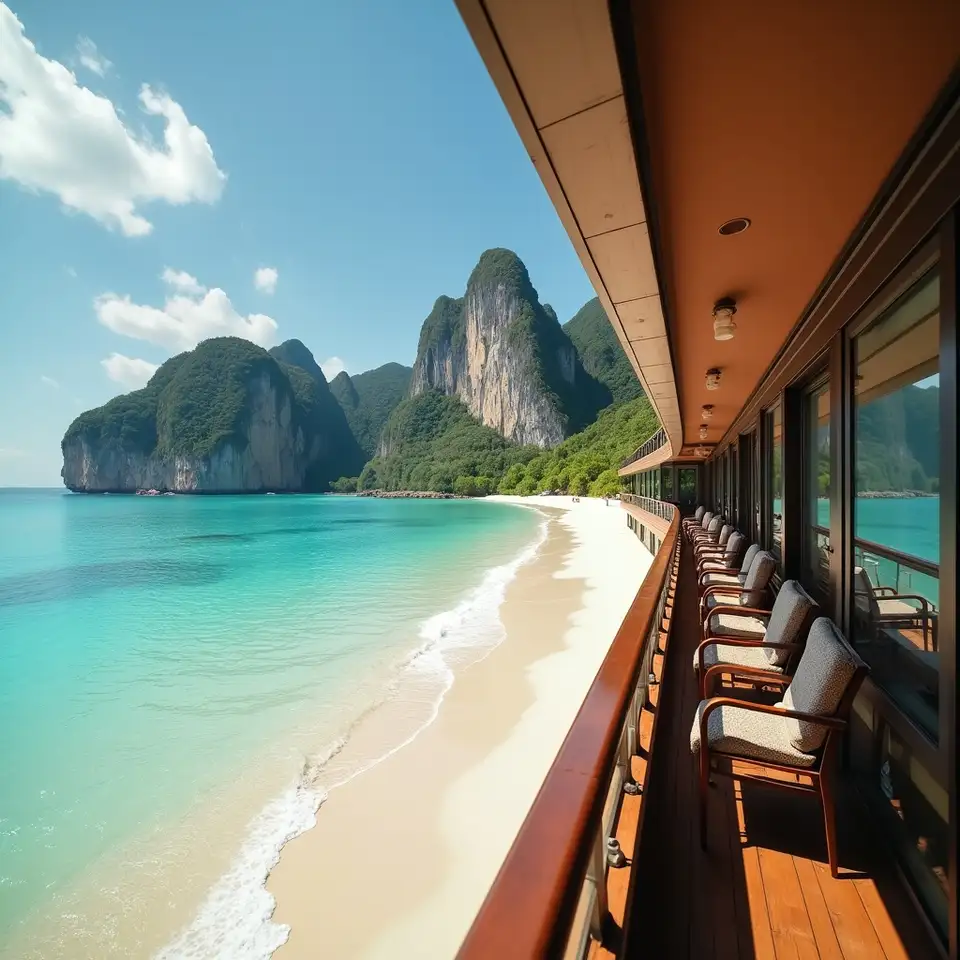
Phuket, Thailand Shore Days
Phuket is one of the most frequently visited ports on regional Southeast Asian
cruise circuits. Most ships dock at the deep-water port in Patong or Chalong
Bay, with a short transfer to the main beaches and town areas. Shore time
typically runs six to eight hours, enough to cover one or two areas comfortably
without rushing.

Ho Chi Minh City, Vietnam

Siem Reap and Angkor, Cambodia
Angkor Wat is accessible via the port of Sihanoukville or through Mekong river cruise itineraries that dock closer to the temples. The sheer scale of the Angkor complex means a single day ashore covers only a portion of the main sites. Travellers with a particular interest in the temples benefit from itineraries that allow an overnight stay.

Penang, Malaysia Day Stops
Penang features on many regional cruise itineraries as a day port, with ships
typically docking at the Swettenham Pier cruise terminal in Georgetown. The
heritage zone, street food scene, and clan jetties are all within walking
distance or a short rickshaw ride from the terminal. A full day ashore is
usually sufficient to cover the main areas.

Osaka and Kyoto, Japan
Japan itineraries accessible from regional home ports typically call at Osaka, Kobe, or Yokohama. Osaka's cruise terminal connects directly to the city transport network, making independent exploration practical without a ship tour. Kyoto is accessible from Osaka by train in roughly fifteen minutes, making it a realistic addition to a full day ashore.

Langkawi, Malaysia Island Stops
Langkawi appears on shorter regional itineraries departing from Port Klang or Penang. The island's duty-free status makes it popular for onboard passengers looking to pick up specific goods ashore, but the beaches and cable car are the main draws for travellers focused on the destination itself. Tender operations are common here, so checking the morning schedule is worthwhile.